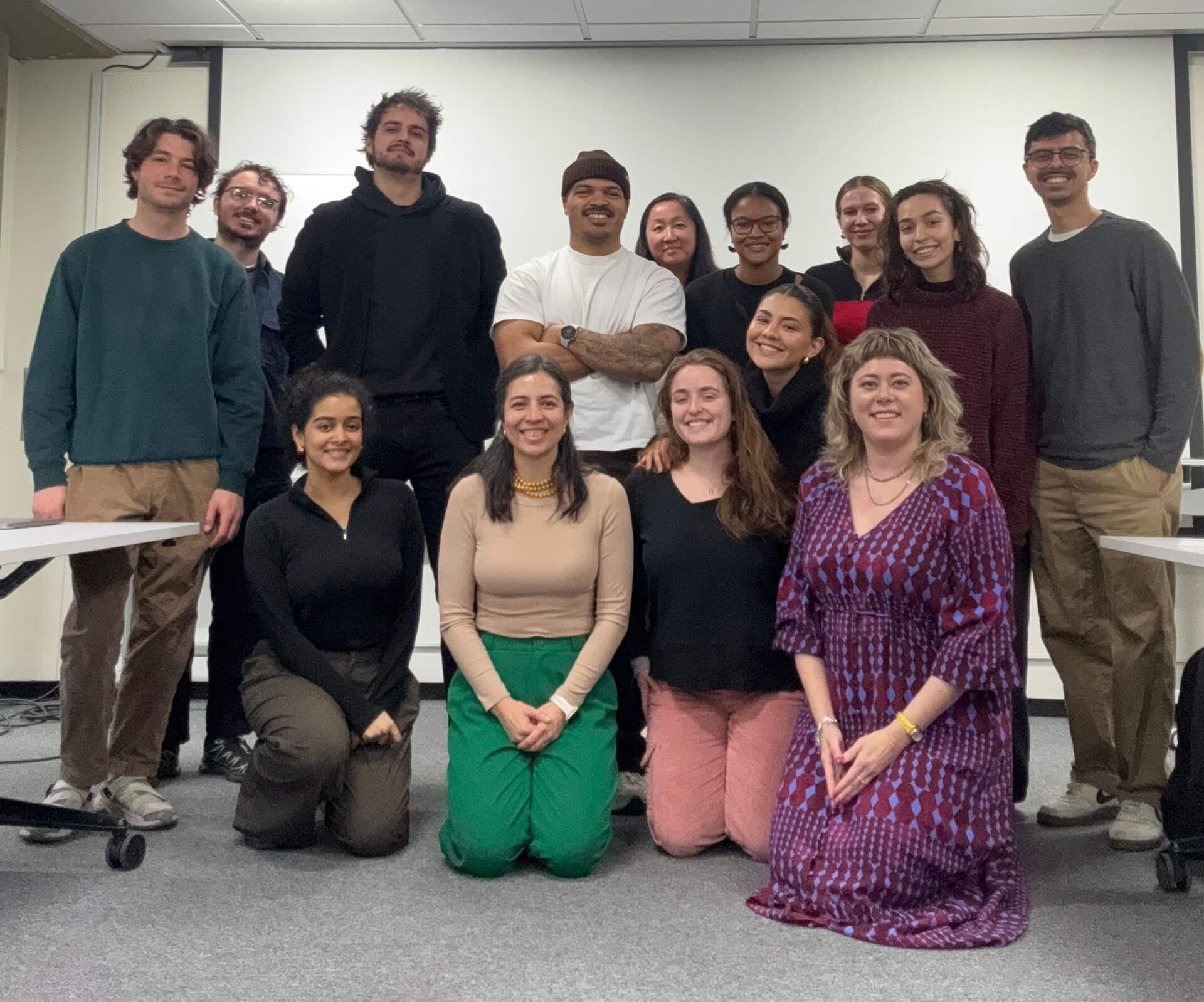
Using applied frameworks and case studies, students grappled with how change is actually enacted within and across political, cultural, and economic systems. Drawing from our own professional experience and research, we prepared six hypothetical case studies that included topics such as controversial real estate development and activist grassroots pushback.
 In one case, a mixed-use development project on publicly owned land promises needed affordable housing and neighborhood revitalization. But when leaked emails indicate that the mayor’s staff have assured the developer that affordability requirements are “flexible,” it sparks a struggle among developer, city officials, labor unions, resident groups, and housing advocates. City leaders must find ways to rebuild trust, protect vulnerable residents, and secure jobs—while navigating political loyalties and ensuring transparency amid accusations of favoritism and displacement.
Another case features a city transit agency’s climate-transition strategy to replace a diesel bus line with a new electric route that would improve air quality and expand service to underserved areas. However, the plan eliminates an inefficient bus line that is a lifeline for nightshift workers–hospital staff, airport cleaners, warehouse workers, and service employees, for whom it’s the difference between reaching work safely and risking job loss. The proposal promises long term environmental and operational benefits but carries short term risks to vulnerable communities and to the trust the agency has built over decades.
In a third case, a high-profile sexual assault on a pedestrian corridor prompts public pressure on the city to address women’s safety. The planning department’s plan includes improved lighting, clearer sightlines, pedestrian upgrades, and cameras to support real-time monitoring, drawing on global best practices. In the immediate backlash, the city is accused of “woke” planning based on ideology rather than research, while women’s advocacy organizations from outside the district mobilize forcefully in favor of the plan. Civil liberties groups, small business owners, and the police union weigh in, each with conflicting definitions of what produces safety. The debate becomes as much about political identity, misinformation, and public perception as it is about technical solutions.
Each of the case study groups examined complex questions about which tradeoffs are politically and ethically acceptable, and how to manage conflicting public opinion and impact. Rebuilding broken trust, protecting vulnerable residents, environmental justice, and economic vitality were common challenges.
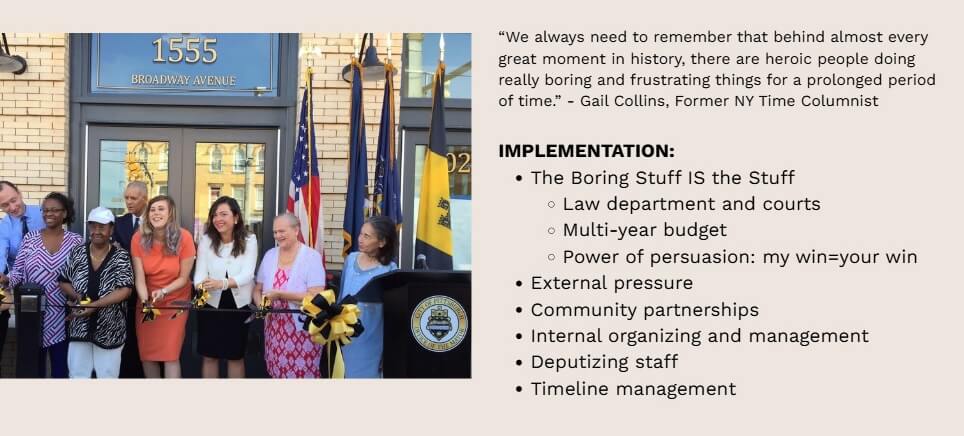
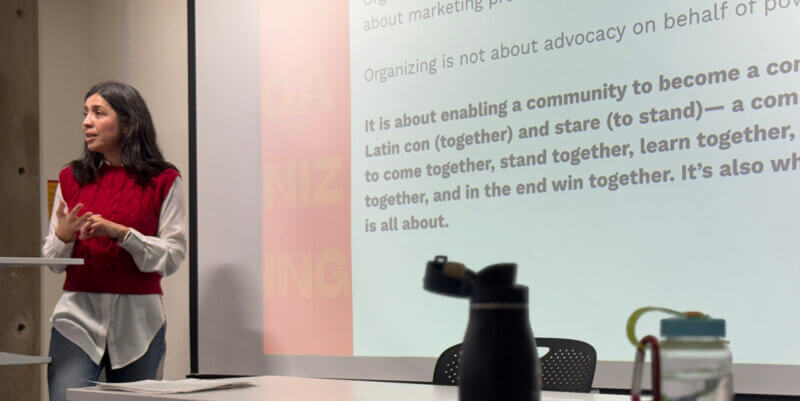 We are all former elected officials, from Pittsburgh, Minneapolis, and Quito, Ecuador, and we lived the realities of local governance, where negotiation, trust building, and persistence are as essential as design or policy expertise. We view power as a practical, relational skill, central to urban practice.