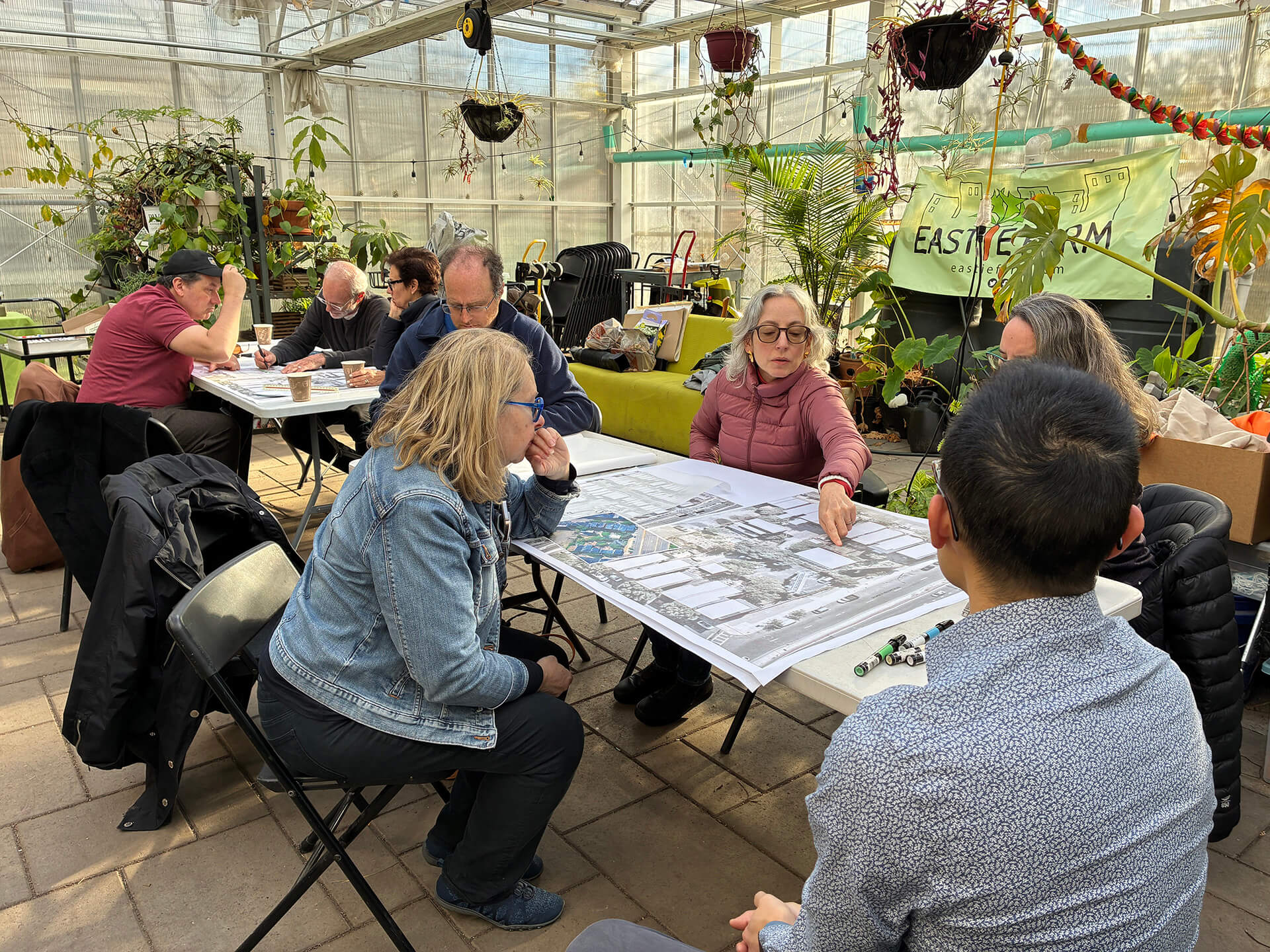
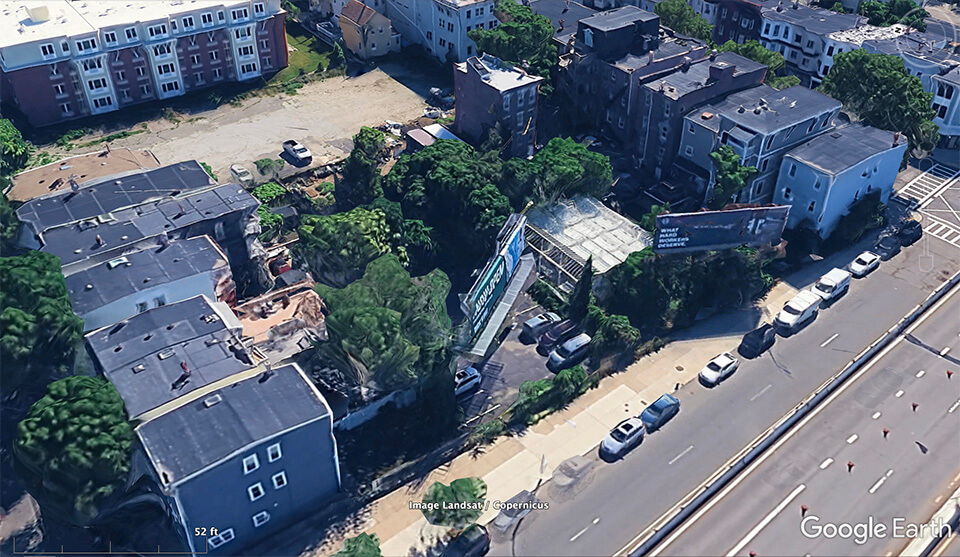
 The most ambitious scheme would invite all the abutters to collectively rethink the entire mid-block. Improving this space would add value to all the properties by increasing development that either participates in Eastie Farm programing or is independent, such as Accessory Dwelling Units. The necessary special zoning regulations or some form of new redevelopment zone could be a model to improve other underutilized mid-block areas in Boston.
One significant vacant lot is controlled by Boston Public Schools for an as-yet-undetermined purpose. In one enterprising vision, a new school building on the property would engage with Eastie Farm with respect to its siting and design as well as with its curriculum, enabling an expansion of classes on urban agriculture and lab studies.
The intensive half day discussions of the Day of Service permitted only cursory treatment of some important topics, like fundraising. Participants discussed the benefits of a “Food Hub” designation by the US Department of Agriculture, which could provide access to an extensive array of USDA grant programs. There are also grant programs administered by the State Departments of Agriculture, Health, Human Services, and Economic Development.
Kathy Fox ‘02 met with Kannan and board member Alex Graora after the workshop to brainstorm additional funding opportunities, like Donor Advised Funds and a “friends to friends” strategy that can build Eastie Farm’s base of supporters, donors, volunteers and champions. Targeted Internships for college students could provide specific development project assistance in producing house parties, researching high net worth individuals and companies that may be interested in Eastie Farm’s mission, and assembling grant proposals under Alex’s supervision.
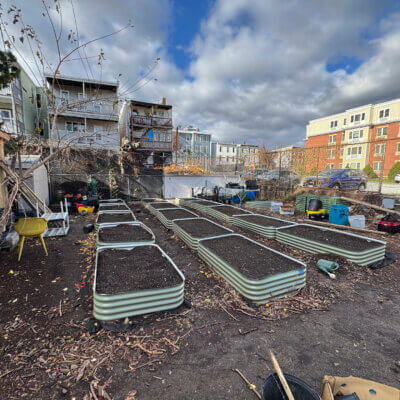
As Eastie Farm outgrows its current site plan, any expansion will be informed by resources as well as by the degree to which the organization can benefit by having a dispersed presence. A follow-up workshop can identify the most compelling options for the existing site and compare them with adding another site for the CSA. Adding a location would solve the logistical challenges of trucks and storage for a growing CSA program while allowing the original site to focus on youth and workforce development, demonstration farming, geothermal education, and community gatherings.
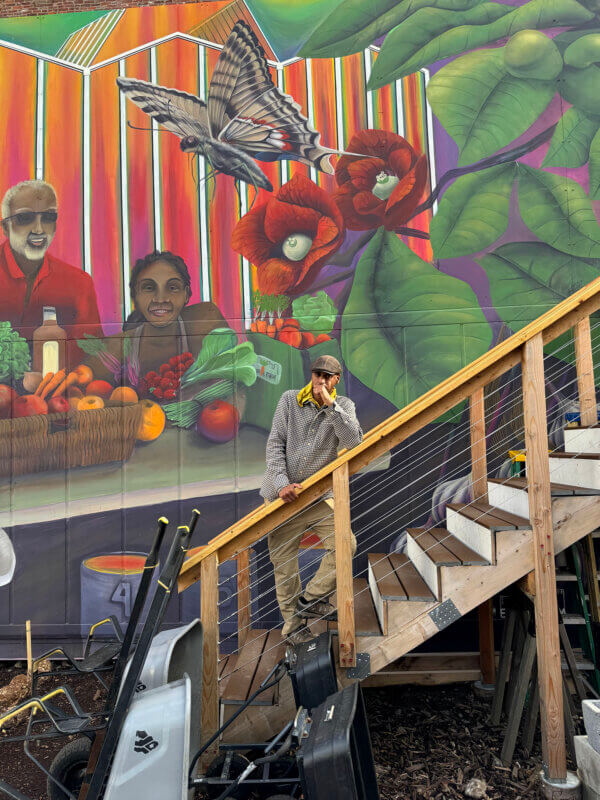
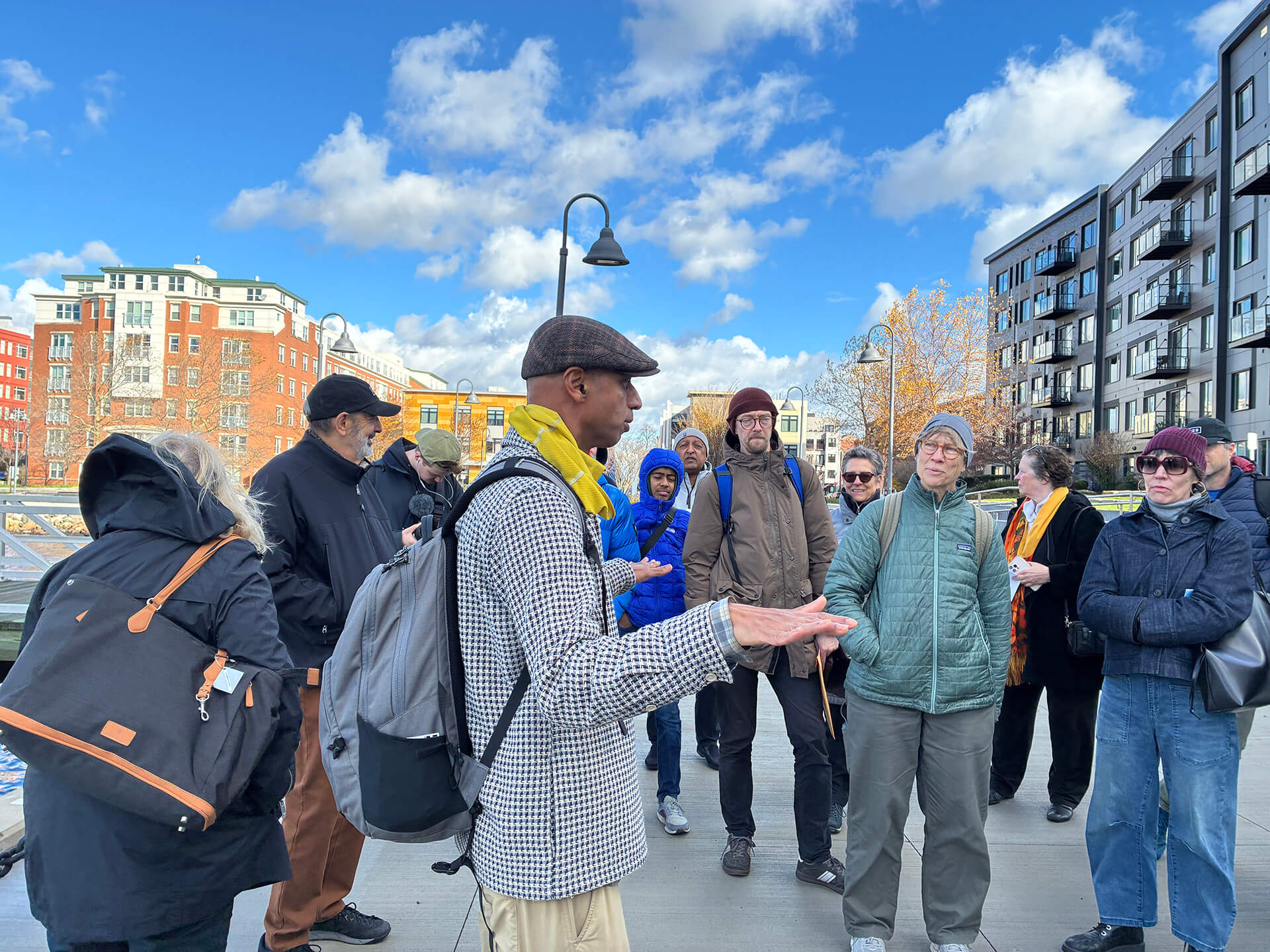
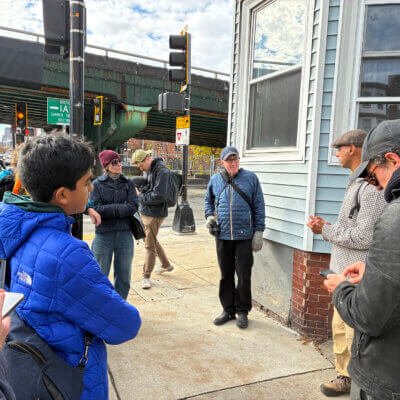
 Two vectors quickly emerged: one would have Eastie Farm expand both physically and institutionally, with more sites and an even more expansive mission. This supports the most ambitious approach to effecting “systemic” change in how Boston approaches food security and sustainability. The other vector would have Eastie Farm mature in place, refining its current operation with relatively modest expansions to its physical plant.
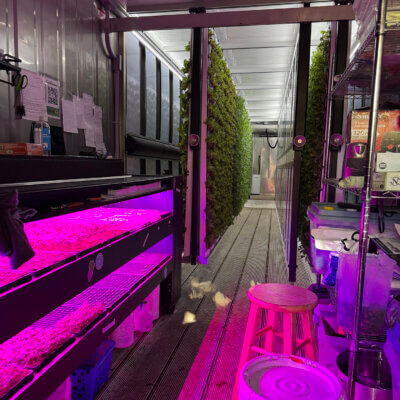 At this point it is important to have a plan with short, medium, and long term goals that can adapt to circumstances and opportunities.
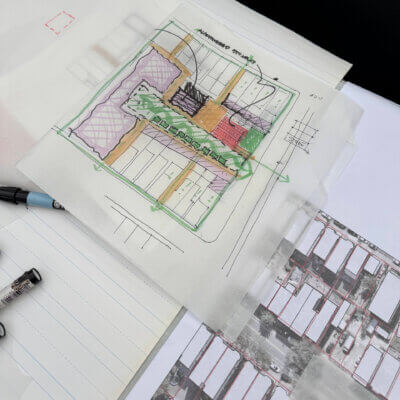 For example, the property that abuts the greenhouse is an overgrown lot with a large billboard at the height of the nearby expressway. Planting the lot with food crops would give the farm frontage on a public street and increase its visibility, while also facilitating small truck deliveries. In the short term, the current owner will have a better looking property. In the longer term, it might be the site of another building for an expanded Eastie Farm.